What Happens If You Delay Replacing Missing Teeth With Dental Implants?

Losing a tooth rarely feels urgent once the initial pain, extraction, or healing period has passed. Many people adjust faster than they expect. They chew on the other side, smile with a little less confidence, and tell themselves they will deal with it later. Sometimes later turns into years.
That delay can matter more than most patients realize.
A missing tooth is not just an empty space in the smile. It changes the way bone is stimulated, the way neighboring teeth lean and contact each other, and the way forces move through the bite. In practice, I have seen the same pattern repeatedly: what begins as a single missing tooth can gradually turn into a more complicated restorative problem, not because anyone did something wrong, but because the mouth responds to change whether we are paying attention or not.
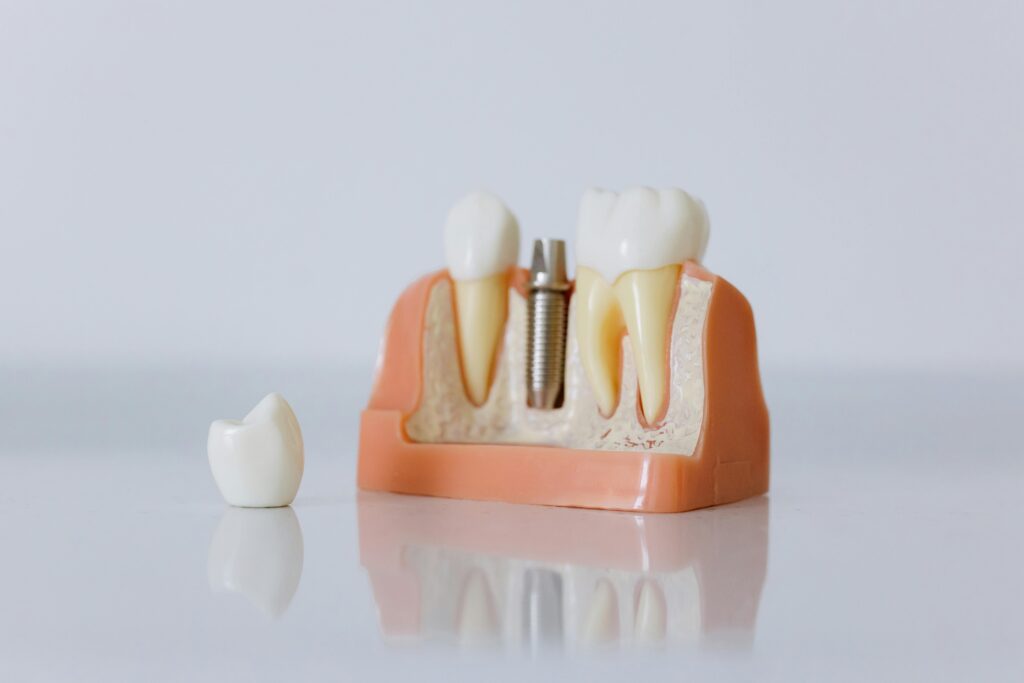
Dental Implants are often the most stable long term option for replacing missing teeth because they stand in for the root as well as the crown. The timing, however, can influence how straightforward the treatment will be. Waiting does not always rule implants out. It often makes the process longer, more expensive, and more technically demanding.
The first change happens where you cannot see it
The most important consequence of delay is usually bone loss.
Natural teeth sit in the jawbone and stimulate it every time you bite and chew. That pressure tells the body the bone is still needed. Once a tooth is gone, that signal disappears in that area. The body is efficient. Bone that is no longer being used begins to shrink.
This process is most active in the months after tooth loss, though it can continue over time. The rate varies from person to person. A healthy young adult with thick bone may lose volume differently than an older patient with gum disease, a history of smoking, or years of heavy grinding. But the direction is the same. The ridge narrows. Sometimes it also loses height.
Patients are often surprised by this because the gum can still look fairly normal from above, especially if the missing tooth is toward the back. Yet when a scan is taken a year or two later, the site may no longer have enough bone width for a routine implant placement. What might have been a single surgical visit can become a staged case requiring grafting first, healing time after that, and only then implant placement.
The upper back jaw presents another practical problem. After upper molars are removed, the maxillary sinus can drift downward into the space over time. That reduces available bone height and may create the need for a sinus lift before an implant can be placed securely. This is not unusual. It is simply a reminder that the mouth does not stay frozen after tooth loss.
Teeth do not politely stay in place
The second consequence is tooth movement.
Adjacent teeth tend to tip into a gap. The opposing tooth, meaning the one that used to bite against the missing tooth, may begin to overerupt. This can be subtle at first. A patient may not notice anything until food starts packing into the area, floss begins shredding, or the bite no longer feels even.
Once movement starts, treatment planning gets more complicated. A small tilt can sometimes be managed within a restorative plan. More significant drifting may require orthodontic correction, enamel adjustment, changes to the shape of the final crown, or acceptance of a less ideal implant position. None of these automatically make treatment impossible, but they reduce flexibility.
I remember a patient who delayed replacing a lower first molar for about six years because it did not show when she smiled and she could still chew. By the time she came in, the upper molar had dropped enough that there was not adequate vertical room for a proper implant crown without addressing the opposing tooth first. The implant itself was not the real challenge. The bite had become the challenge.
This is common in dentistry. The missing tooth draws attention, but the secondary effects often dictate the treatment.
Your bite can change in ways that spread beyond one tooth
When one area of the mouth no longer carries normal chewing forces, the rest of the system compensates. That compensation is not always dramatic. Sometimes it simply means chewing more on one side. Sometimes it means clenching patterns shift. Sometimes front teeth start taking force they were never meant to manage regularly.
Over time, that can contribute to fractured fillings, chipped teeth, muscle fatigue, and a bite that feels less stable. Not every patient develops these problems, but enough do that the risk is worth discussing honestly.
The posterior teeth, especially molars, are designed to absorb heavy chewing force. When a back tooth is missing and left unreplaced, the front teeth or remaining back teeth often take on extra work. The consequences are usually gradual. A patient may describe it as a feeling that one side seems weaker, or that they avoid certain foods without thinking about it. They are adapting, but adaptation is not always harmless.
The larger the gap, the more likely the bite is to become compromised. Losing one premolar is different from losing several posterior teeth in a row. Once multiple teeth are missing, the collapse in support can affect facial proportions, chewing efficiency, and even the way dentures or partials fit later.
Gum tissue changes too
Bone and gum follow each other. As the ridge shrinks, the gum contour often changes. In visible areas, that can affect esthetics more than patients expect.
If the missing tooth is in the front, delaying replacement may make it harder to create a natural emergence profile, the way the final tooth appears to rise from the gum. Even when the implant integrates well, rebuilding the lost architecture can be delicate work. Soft tissue grafting, provisional shaping, and careful restorative contouring may be needed to recreate what was originally there.
This is one reason anterior implants are planned so carefully. People often assume the hardest part is placing the titanium fixture. In the esthetic zone, the real challenge is making the result disappear into the smile naturally. That becomes easier when hard and soft tissue are preserved early.
A patient who loses a front tooth because of trauma, for example, may benefit from prompt site preservation even if the final implant is not placed immediately. The goal is not rushing treatment. The goal is protecting the foundation so future treatment has a better chance of looking natural.
Delaying can affect speech and diet more than people admit
Many patients become skilled at minimizing the effect of a missing tooth. They cut food differently. They avoid crusty bread, nuts, steak, or apples. They stop chewing gum on one side. If the gap is near the front, they may alter the way they pronounce certain sounds.
These adjustments can seem minor in isolation. Over months or years, they change habits. I have heard patients say, “I got used to it,” only to realize after treatment that they had quietly narrowed their food choices and their comfort in social situations.
That matters. Oral function is part of general quality of life. Being able to chew efficiently affects nutrition. Being able to speak without Dental Implants self-consciousness affects confidence at work and in relationships. Restorative dentistry is not vanity when it restores normal use.
Delayed implants often mean more treatment, not just later treatment
A common misunderstanding is that waiting simply postpones the same procedure. In reality, the procedure itself may change.
Here are the most frequent ways treatment becomes more involved after a long delay:
- Bone grafting becomes more likely because the ridge has narrowed or lost height.
- Tooth movement may reduce the available space or alter the bite.
- Sinus lift procedures may be needed in the upper back jaw.
- Soft tissue loss can make cosmetic results harder to achieve, especially in the front.
- More appointments and longer healing periods may be required overall.
This does not mean delayed cases are poor candidates. Many delayed implant cases succeed beautifully. It means the road can become less direct.
Financially, that matters too. A site that might have accepted an implant after a socket preservation graft may later require a larger graft, membrane stabilization, staged healing, and more imaging. The final treatment cost can rise because the biology has changed, not because anyone is trying to upsell a patient.
When delay becomes especially risky
Not every missing tooth carries the same urgency. A lower second molar in a patient with a stable bite is different from an upper front tooth in a patient with a high smile line. Context matters.
That said, delay deserves closer attention in a few situations. One is when the extracted tooth was lost to infection or fracture and the surrounding tissues are already compromised. Another is when the patient has active gum disease, because ongoing inflammation can accelerate attachment and bone loss elsewhere. A third is when several teeth are already missing, since every additional gap increases functional stress on the remaining teeth.
Bruxism also changes the equation. A grinder places heavier forces on fewer teeth once a tooth is missing. If you already have flattened wear, cracked restorations, or jaw soreness, leaving spaces open can add to the strain.
Young adults should not assume time is on their side indefinitely either. They often heal well and have fewer medical complications, but bone resorption still happens. I have seen patients in their late twenties and thirties who delayed replacing an extracted premolar after orthodontic treatment, only to return later with drift that partly undid the space that had been carefully created.
There are times when waiting is reasonable
A balanced discussion should also acknowledge that immediate implant placement is not always the right move.
Sometimes the extraction site has active infection and the best result comes from allowing Dental Implants Oaks Dental healing before placement. Sometimes a patient is still growing, which makes implant timing more sensitive. Sometimes medical issues need to be stabilized first, such as uncontrolled diabetes, recent cancer therapy, or medications that affect healing. Sometimes the tooth was removed unexpectedly and the patient needs time to budget and plan.
Waiting for the right clinical reasons is different from ignoring the space. If an implant cannot be placed promptly, preserving the site becomes important. A socket preservation graft after extraction can help limit shrinkage. In other cases, a temporary prosthesis, retainer with a tooth, or transitional partial can maintain appearance and, in some situations, space. The exact choice depends on where the missing tooth is, how the bite functions, and how long the delay is expected to be.
This is where good treatment planning matters. “Not today” does not have to mean “deal with the consequences later.”
The emotional cost of waiting is real
Patients often talk about time and cost, but they say less about embarrassment, frustration, and fatigue. Missing teeth can create a low grade daily stress that does not always show from the outside.
Someone with a visible gap may stop smiling broadly in photos. Someone missing a molar may worry every time food traps painfully in the space. Another person may feel older than they are because chewing has become tentative. These concerns are easy to dismiss in a rushed conversation, yet they are often the reasons people finally pursue treatment.
The best implant cases are not only about radiographs and torque values. They are about restoring ease. People notice when they stop thinking about the space.
What a dentist looks at before recommending implant timing
The decision is rarely based on one factor. A thorough exam usually considers several overlapping issues:
- how long the tooth has been missing
- the condition of the bone and gum at the site
- whether nearby or opposing teeth have moved
- the patient’s bite forces, grinding habits, and overall oral health
- medical and financial factors that affect timing
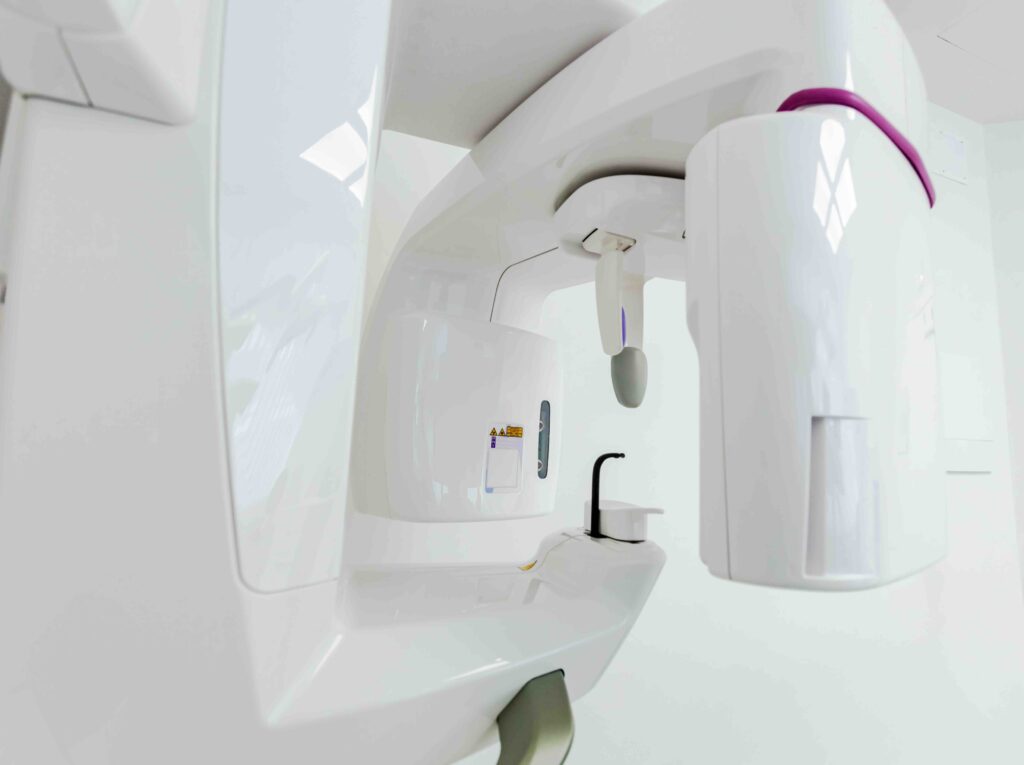
That evaluation often includes three-dimensional imaging. A cone beam CT scan can reveal bone width and height that a standard X-ray cannot show clearly. In delayed cases, this imaging is especially useful because surface appearance can be misleading. The gum may seem adequate while the underlying bone is thin.
If years have already passed, implants may still be an excellent option
A delayed case is not a failed case. That is important to say plainly.
Many people seek implant treatment long after a tooth was lost, and they still achieve strong, attractive, functional results. Modern grafting techniques have made treatment possible for patients who would once have had fewer options. Guided surgery, thoughtful prosthetic planning, and careful tissue management can solve problems that used to limit care.
The difference is usually effort, not possibility.
A patient missing a tooth for ten years may need site development first. Another may need a sinus augmentation. A third may need orthodontics to reopen or refine space before implant placement. These are not small details, but they are manageable when planned properly.
The key is to avoid assuming that because time has passed, nothing can be done. Delay is a reason for evaluation, not for giving up.
Questions worth asking if you are deciding whether to wait
Patients make better decisions when they understand what time may cost biologically, not just financially. If you are considering postponing treatment, ask direct questions:
- Is the bone volume at risk of shrinking significantly in my case?
- Would a socket preservation graft help if I cannot place an implant now?
- Are nearby or opposing teeth likely to move if the space stays open?
- If I wait a year or longer, what additional procedures might I need?
- Is there a temporary option that protects the space and appearance?
A thoughtful clinician should be able to explain not only the ideal plan, but also the practical fallback options if life requires a delay.
The earlier conversation is often the easiest one
The best time to discuss a future implant is usually before or at the time of extraction, not years later. That does not mean every tooth should be replaced immediately. It means the site should be managed with the end goal in mind.
If the long term plan is likely to involve Dental Implants, preserving bone and space early can save substantial effort later. Even a short consultation can clarify whether the site should be grafted, whether immediate placement is realistic, and how long it is safe to wait without compromising the outcome significantly.
Dentistry tends to reward foresight. The mouth is dynamic. Once a tooth is missing, the clock starts, not with pain or drama in most cases, but with quiet structural change.
For patients, that is the main point to understand. Delaying replacement does not always create a crisis. It often creates drift, shrinkage, compensation, and complexity. Those changes are gradual enough to ignore, right up until they are the reason treatment becomes harder than it needed to be.
If you have a missing tooth and have been meaning to “get around to it,” that instinct is worth acting on. Even if you are not ready for treatment this month, a professional evaluation can tell you what is happening now, what risks are specific to your case, and how to protect your options before time narrows them.
Oaks Dental
5000 Parkway Calabasas Suite 308
Calabasas, CA 91302, United States
+1 818-431-2000
FAQ About Dental Implants
What is the downside of a dental implant?
Implants require surgery and a healing period that can last several months. Possible complications include infection, nerve or sinus injury, damage to nearby teeth and failure to bond with bone. Your dentist should assess your health, bone support and alternatives before recommending treatment.
What do dental implants typically cost?
There is no single price for every implant case. The number of teeth replaced, implant components, final restoration and any grafting or extractions affect the total. Request a written estimate covering every stage and confirm insurance benefits and out-of-pocket costs with the practice.
How long do tooth implants last?
An implant can provide long-term support and may last a lifetime with good oral hygiene and regular dental care, but this is not guaranteed. The crown or other restoration may need replacement sooner. Smoking, gum disease and some health conditions can reduce implant success.