How to Spot Quality in Dental Implant Materials

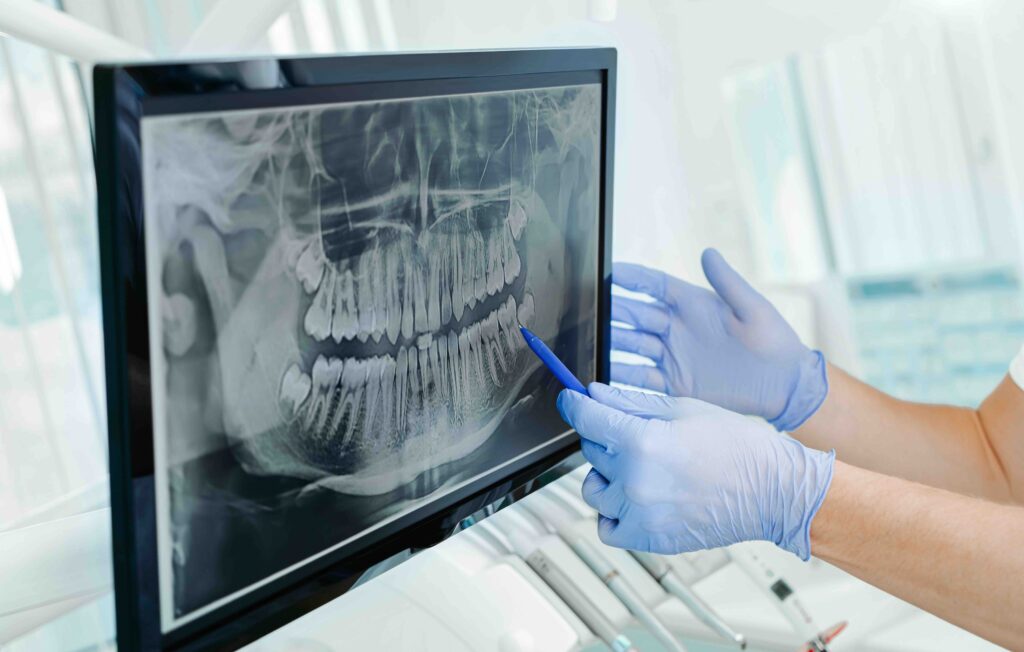
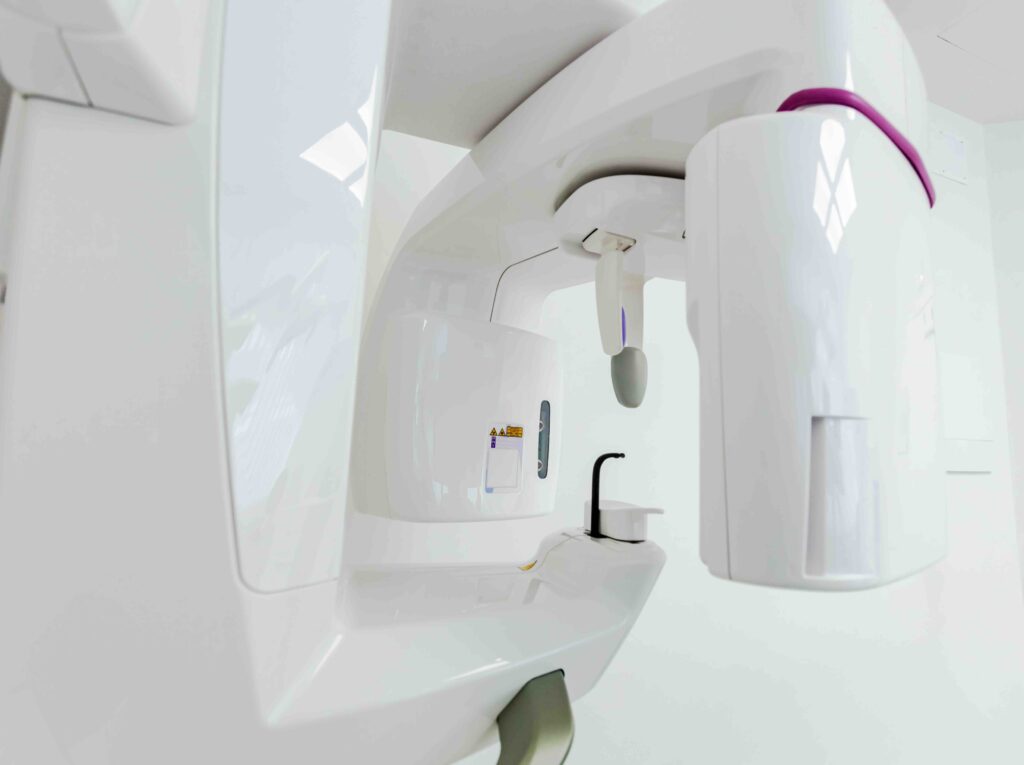
When people talk about dental implants, they often focus on the visible result, a stable tooth, a confident smile, the ability to chew without thinking about it. The hidden part of the story sits below the gumline. Material quality plays a major role in whether an implant integrates cleanly, resists stress over time, and supports healthy tissue for years rather than just months.
That sounds straightforward until you look at the market. Not all implant systems are made to the same standard, and not all materials that look similar on paper perform the same way in the mouth. Two implants may both be described as titanium. Two ceramic components may both be called zirconia. Yet the difference between a well-made component and a mediocre one often comes down to purity, microstructure, surface treatment, machining precision, documentation, and how the system behaves under real clinical forces.
Patients are rarely handed that level of detail. Even many dentists, unless they place implants regularly or work closely with surgeons and labs, may rely more on brand familiarity than material science. That is understandable. Implant quality is not something you can judge by appearance alone. It has to be inferred from a set of clues, some technical, some practical, and some based on what tends to go wrong when corners are cut.
Why material quality matters more than marketing language
A dental implant is a load-bearing medical device that lives in a difficult environment. It sits in bone, crosses soft tissue, and is exposed to saliva, temperature changes, bacterial biofilm, bite force, and years of repeated function. Every one of those conditions tests the material.
Poor material quality can show up in different ways. Sometimes the issue is early failure to integrate with bone. Sometimes the implant survives, but the surrounding tissue does not stay healthy. In other cases, the problem appears later as screw loosening, component wear, corrosion at the implant-abutment connection, or fracture under cyclic loading.
What makes this tricky is that failure is not always dramatic. A low-grade component does not necessarily snap in half on day one. More often, it accumulates disadvantages. The surface may not encourage predictable bone response. The connection may allow tiny amounts of micromovement. The alloy may not be processed consistently. Tolerances may be just loose enough to invite long-term complications. Patients usually experience the result as inflammation, mobility, food trapping, or restorative problems, not as a materials issue.
That is why experienced clinicians look past slogans like “premium,” “advanced,” or “next generation.” Those terms carry no technical weight. Material quality has to be assessed through evidence, manufacturing standards, and the performance of the entire implant system.
Titanium is still the benchmark, but not all titanium is equal
For most dental implants, titanium remains the reference standard. It has earned that position through a long clinical track record, good biocompatibility, favorable strength-to-weight characteristics, and the ability to form a stable oxide layer that helps resist corrosion. That said, “titanium” is not one uniform category.
Commercially pure titanium, often used in grades 1 through 4, differs in oxygen content and mechanical properties. Grade 4 is commonly used for implants because it offers higher strength while preserving biocompatibility. Titanium alloys, especially Ti-6Al-4V, are also used in some implant and prosthetic components because of their increased mechanical strength. In practical terms, the material choice must fit the design. A narrow implant in a high-load posterior region places different demands on the metal than a wider implant in softer loading conditions.
The Dental Implants first sign of quality is not simply whether a manufacturer uses titanium, but whether it clearly identifies the grade or alloy and uses that material consistently across the system. Reputable companies do not leave this vague. They specify it in technical literature and regulatory documents.
It also matters how the titanium is processed. Impurities, inconsistent grain structure, and poor heat treatment can affect fatigue behavior. An implant that withstands insertion torque may still perform poorly under millions of chewing cycles if the metal quality or processing is substandard. The mouth is full of repetitive loading. A material that tests well under a single static force may fail differently under long-term cyclic stress.
Surface treatment often separates a serious implant from an ordinary one
Once the implant body is made, its surface becomes one of the most important variables in osseointegration. Bone does not simply hug any metal surface equally well. Microroughness, chemistry, cleanliness, and wettability all influence how bone cells respond during healing.
Many established implant systems use roughened surfaces created by grit blasting, acid etching, anodizing, or combinations of those methods. The goal is not roughness for its own sake. The goal is a surface topography and chemistry that support stable bone apposition without compromising cleanliness or long-term behavior.
This is an area where quality can be difficult for a patient to judge, because the differences are mostly microscopic. Still, there are practical questions that reveal a lot. Has the surface been studied in peer-reviewed clinical and preclinical settings? Does the company describe how it cleans the implant after surface treatment? Are there controls for residual blasting media or contaminants? Does the packaging preserve surface condition until placement?
A surgeon once showed me two implants from different systems under magnification. On paper, both were rough-surfaced titanium. One had a consistent finish and sharp, well-machined thread geometry. The other showed less uniformity and had a slightly irregular appearance near the collar. To a casual eye, they looked almost identical in the box. Under scrutiny, one clearly reflected tighter production control. That difference can matter when you are asking bone and soft tissue to accept a foreign body and remain stable around it for years.
Zirconia has a place, but it demands careful selection
Zirconia dental implants attract interest for understandable reasons. They are tooth-colored, metal-free, and appealing to patients concerned about esthetics or specific material preferences. High-quality zirconia can be biocompatible and mechanically strong, but it is less forgiving than many people assume.
The key issue is not whether zirconia is “good” or “bad.” It is whether the specific zirconia material, design, and manufacturing process are appropriate for the clinical use. Zirconia exists in different stabilized forms, and its mechanical behavior depends on composition, density, grain size, and sintering quality. Tiny defects introduced during machining or finishing can act as stress concentrators. A material that is strong in compressive loading can still be vulnerable in other ways if design and processing are poor.
This is why the clinical history of the specific system matters so much. A zirconia implant from a manufacturer with rigorous data and careful production is not equivalent to a lookalike product with limited documentation. Ceramic materials can perform very well, but they leave less room for manufacturing imprecision.
For many clinicians, zirconia works best in carefully selected cases rather than as a universal substitute for titanium. That is not a knock against the material. It is a reminder that quality is about fit between material, design, and indication.
The connection area tells you a lot about craftsmanship
Even excellent raw material can underperform if the implant-abutment connection is poorly engineered or poorly machined. This area deserves more attention than it gets in everyday conversations about dental implants.
The connection is where mechanical loads transfer, where microgaps may form, and where bacteria can exploit imperfections. Precise machining matters here. If tolerances are loose, the screw may loosen more easily, the components may micromove under function, and long-term wear can increase. None of those problems are solved just by using high-grade titanium.
A quality implant system tends to show discipline in the details. The mating surfaces are consistent. The platform dimensions are exact. The screws are manufactured to predictable specifications. The restorative components fit without guesswork. Labs often notice this before patients do. A technician working with a well-made system can usually feel the difference during seating and verification. There is less wobble, less ambiguity, and fewer little adjustments that should not be necessary in the first place.
That kind of precision is expensive to achieve. It depends on good machining, quality control, and system-wide compatibility. It is one reason bargain implant components often become costly later. The savings upfront can disappear in chair time, remakes, screw issues, and tissue complications.
Documentation is not glamorous, but it is one of the strongest quality signals
If I had to choose one practical marker of trustworthy implant materials, beyond the material itself, it would be documentation. Reputable manufacturers keep meticulous records because they have to. Medical device quality is not just about what gets produced. It is about traceability, validation, sterility assurance, lot control, and post-market accountability.
A strong manufacturer can usually provide clear information about the material specification, manufacturing standards, sterilization process, packaging method, and intended component compatibility. That does not mean every patient needs to read a technical dossier. It does mean the information exists and is available to clinicians.
When material claims are broad but specifics are hard to find, caution is warranted. If a company leans heavily on visual branding and says little about alloy grade, surface treatment validation, or long-term data, that is not a positive sign. In medical manufacturing, vagueness is rarely a marker of excellence.
Here are several questions that help separate substance from sales language:
- What exact titanium grade or zirconia formulation is used?
- How is the implant surface treated and cleaned?
- Does the system have published clinical follow-up, ideally beyond the short term?
- Are restorative parts original and validated for that implant platform?
- Can the manufacturer provide traceability and regulatory documentation?
Those questions are simple, but they reveal a great deal. A serious company can answer them directly.
Clinical evidence matters, but context matters too
It is tempting to reduce quality to a single number, often the survival rate quoted in brochures. That is not enough. Survival is a broad endpoint. An implant can survive while still causing restorative headaches or tissue problems.
What matters is the quality of the evidence behind the system. Long-term data are especially valuable because many implant-related issues develop over time. Five-year outcomes tell you more than six-month outcomes. Ten-year outcomes are even better, though fewer systems have high-quality long-term studies.
Still, evidence has to be read intelligently. A well-designed implant placed in ideal bone by highly experienced surgeons may show excellent outcomes that do not fully predict what happens in more typical settings. The patient population matters. The loading protocol matters. Smoking, diabetes, parafunctional habits, and bone quality all affect results. A good manufacturer does not pretend the material alone determines success.
I have seen situations where a less expensive implant was defended on the basis that “all implants work now.” That is only partly true. Many modern implants can work, especially in straightforward cases. The harder question is how consistently they work across difficult sites, complex prosthetics, and long follow-up periods. Quality reveals itself most clearly when the case is demanding.
Watch how the soft tissue behaves
Bone integration tends to get most of the attention, but healthy soft tissue is another clue to quality. The implant collar, the abutment material, the smoothness of transgingival components, and the precision of the interface all influence how the gum tissue responds.
A well-made abutment should have a clean, polished emergence profile where appropriate, without roughness that encourages plaque accumulation. The transition from implant to abutment should be precise, not a miniature ledge that traps biofilm. Material biocompatibility matters here, but so does finish quality.
This is one reason original manufacturer components often outperform generic compatibles, even when both claim similar materials. The issue is not only chemistry. It is the exact fit, finish, and intended geometry. A third-party abutment may save money, but if it introduces microgaps or alters tissue contours unfavorably, the hidden cost appears later.
The price signal is real, but it is not perfect
Higher cost does not guarantee better material quality, but extremely low cost should raise questions. Precision manufacturing, validated surface treatment, sterility assurance, and long-term clinical research are expensive. Companies that invest in those areas cannot usually compete at the absolute bottom of the price market.
That said, price alone is not a reliable test. Some premium brands charge partly for distribution scale and reputation. Some smaller manufacturers produce excellent systems with strong materials and solid evidence at a somewhat lower price point. The goal is not to buy the most expensive implant. The goal is to avoid systems that are cheap because the unseen fundamentals were stripped down.
For patients, this often comes down to asking not just “what does the implant cost?” but “what system is being used, why was it chosen, and what evidence supports it?” A thoughtful answer says far more than a discounted treatment package ever will.
Red flags that deserve a second look
Most quality concerns do not come with flashing warning lights. They appear as small inconsistencies, missing details, or claims that sound polished but lack support. Certain patterns come up often enough to be worth noting.
- The manufacturer does not clearly disclose material grade or component compatibility.
- The implant system has little to no published long-term clinical evidence.
- Generic restorative parts are substituted without a clear rationale or validation.
- Marketing language is heavy, but technical information is thin.
- The treatment is priced far below comparable care without an explanation of where savings come from.
None of these points alone proves a system is poor. Together, they should make a clinician or patient pause and ask better questions.
Quality is a system property, not just a material label
One of the biggest misunderstandings in implant dentistry is the idea that material quality can be judged in isolation. It cannot. A high-grade titanium implant paired with a weak screw design, questionable machining, or ill-fitting third-party parts may perform worse than a more modestly marketed system with excellent engineering discipline.
The best implant systems treat materials, design, manufacturing, and restorative workflow as one integrated whole. The implant body, abutment, screw, impression or scan components, and final restoration are designed to work together under load and in tissue. When a company takes that systems approach seriously, you see it everywhere, in fit, in documentation, in component consistency, and in how rarely experienced clinicians have to improvise around avoidable problems.
That systems view also explains why clinician judgment matters so much. The same implant material may behave differently depending on the case. A narrow ridge, soft posterior maxillary bone, deep bite, nighttime grinding, or limited restorative space can expose weaknesses that would stay hidden in a routine single-tooth site. Quality is partly built into the device and partly revealed by how appropriately it is used.
What patients should listen for during a consultation
Patients do not need to become materials scientists before agreeing to treatment. They do need enough information to tell whether the recommendation is grounded in experience and evidence rather than convenience.
A good consultation usually includes a clear explanation of which implant system is planned, why it suits the case, and what the alternatives are. If the dentist or surgeon can explain, in plain language, why they trust a particular brand or material, that is encouraging. They may mention long-term familiarity, restorative reliability, soft tissue performance, or published data. Those are the kinds of answers that come from real use.
Be cautious if the conversation stays vague. “They are all the same” is not a strong answer. Neither is “this is the one our supplier had” or “this package is on promotion.” Dental implants become part of your body. Material quality deserves more thought than that.
It is also reasonable to ask whether original manufacturer components will be used throughout treatment. Not every case requires a rigid brand-pure approach, but when substitutions are planned, the clinician should be able to explain why and how compatibility has been verified.
The most reliable sign of quality
After all the technical discussion, the clearest sign of quality is consistency. Good implant materials perform predictably. Good components fit the way they should. Good systems have data, traceability, and a track record that extends beyond marketing cycles. They make the clinical workflow calmer, not more chaotic.
Experienced implant clinicians often recognize quality by what does not happen. The implant seats as expected. The torque values behave predictably. The restorative components fit without surprises. The tissue response is stable. The follow-up visits are uneventful in the best possible way. That quiet reliability is hard to advertise, but it is what quality looks like in practice.
When evaluating dental implants, focus less on buzzwords and more on specifics. Ask what the material is, how it is processed, how the surface is treated, how the connection is machined, and whether the whole system has been proven over time. Those answers, more than any polished brochure, will tell you whether the material inside the implant deserves your trust.
Oaks Dental
5000 Parkway Calabasas Suite 308
Calabasas, CA 91302, United States
+1 818-431-2000
FAQ About Dental Implants
What is the downside of a dental implant?
Implants require surgery and a healing period that can last several months. Possible complications include infection, nerve or sinus injury, damage to nearby teeth and failure to bond with bone. Your dentist should assess your health, bone support and alternatives before recommending treatment.
What do dental implants typically cost?
There is no single price for every implant case. The number of teeth replaced, implant components, final restoration and any grafting or extractions affect the total. Request a written estimate covering every stage and confirm insurance benefits and out-of-pocket costs with the practice.
How long do tooth implants last?
An implant can provide long-term support and may last a lifetime with good oral hygiene and regular dental care, but this is not guaranteed. The crown or other restoration may need replacement sooner. Smoking, gum disease and some health conditions can reduce implant success.